
A Guide to Michigan’s Home Cultivation Laws
Last updated: March 2026
Summary: Michigan was the first Midwestern state to legalize recreational cannabis and has some of the most grower-friendly home cultivation rules in the country. Adults 21 and older can grow up to twelve plants per household — more than most states allow. Here’s what the law requires.
Disclaimer: Cannabis laws change. This post reflects our best understanding of Michigan law as of early 2026. Always verify current rules with the Michigan Cannabis Regulatory Agency before you grow.
Table of Contents
- The Short Version
- Who Can Grow
- How Many Plants
- Where You Can Grow
- Security Requirements
- Indoor vs Outdoor vs Greenhouse
- Local Ordinances
- Penalties for Going Over the Limit
- Ready to Start Growing?
- Frequently Asked Questions
The Short Version
| Rule | Detail |
|---|---|
| Legal for adults? | Yes, 21 and older |
| Plant limit | 12 plants per household |
| Indoor growing | Allowed |
| Outdoor growing | Allowed, must not be visible from public view |
| Greenhouse | Allowed |
| Visible from public? | Not permitted |
| Must be secured? | Yes, enclosed and secured |
| Plant tagging required? | No |
| Landlord restrictions? | Yes, landlords can prohibit cultivation |
Who Can Grow
Any Michigan resident 21 years of age or older can legally grow cannabis at home under the Michigan Regulation and Taxation of Marihuana Act (MRTMA), passed by voters in November 2018. No medical card or permit is required.
Michigan also has a long-standing medical cannabis program dating to 2008, which allows registered patients and caregivers to cultivate under separate rules. This post focuses on recreational home cultivation under the MRTMA.
If you rent, check your lease. Landlords and municipalities may impose their own restrictions on cannabis cultivation and use within their authority.
How Many Plants
Michigan allows up to twelve plants per household for personal use. This is a household limit, not a per-person limit — multiple adults living together share the twelve-plant maximum.
This is one of the most generous home cultivation limits in the country. Virginia allows four, California and New York allow six per person. Michigan’s twelve-plant household allowance gives home growers meaningful room to work with, whether you’re running a dedicated indoor setup or a backyard garden.
Unlike New York, Michigan does not distinguish between mature and immature plants in its count. All twelve count equally regardless of growth stage.
Where You Can Grow
Plants must be grown at your private residence in a secured, enclosed area that is not visible from public view. This applies whether you are growing indoors or outdoors.
Cultivation must take place within a secured enclosed area, not visible to the public. This means plants cannot be seen from the street, a neighboring property, or any other public space. A fenced, enclosed backyard, a locked outbuilding, a greenhouse, or an indoor grow space all meet this requirement as long as the plants are genuinely out of public view.
Security Requirements
Michigan law requires that plants be kept in a secured enclosed area. This means physical barriers that prevent unauthorized access — locked rooms, fenced and gated outdoor areas, enclosed structures. The goal is to prevent both public visibility and access by minors or unauthorized individuals.
Indoor vs Outdoor vs Greenhouse
All three methods are permitted under Michigan law.
Indoor growing gives you full control over environment and light cycle, keeps plants out of sight by default, and makes meeting the security requirement straightforward. It’s the most common approach for Michigan growers, particularly given the state’s climate.
Outdoor growing works well during Michigan’s warm months but comes with a shorter season than states further south. Most of Michigan falls in USDA zones 5a to 6b, with the Upper Peninsula in zones 4a to 5b and the southwestern Lower Peninsula, near Lake Michigan, reaching zone 6b in some areas. For most outdoor growers, the window runs roughly from late May through early October. Autoflower varieties are a practical choice for Michigan outdoor grows given the shorter season, as they finish faster and are less dependent on light cycle changes.
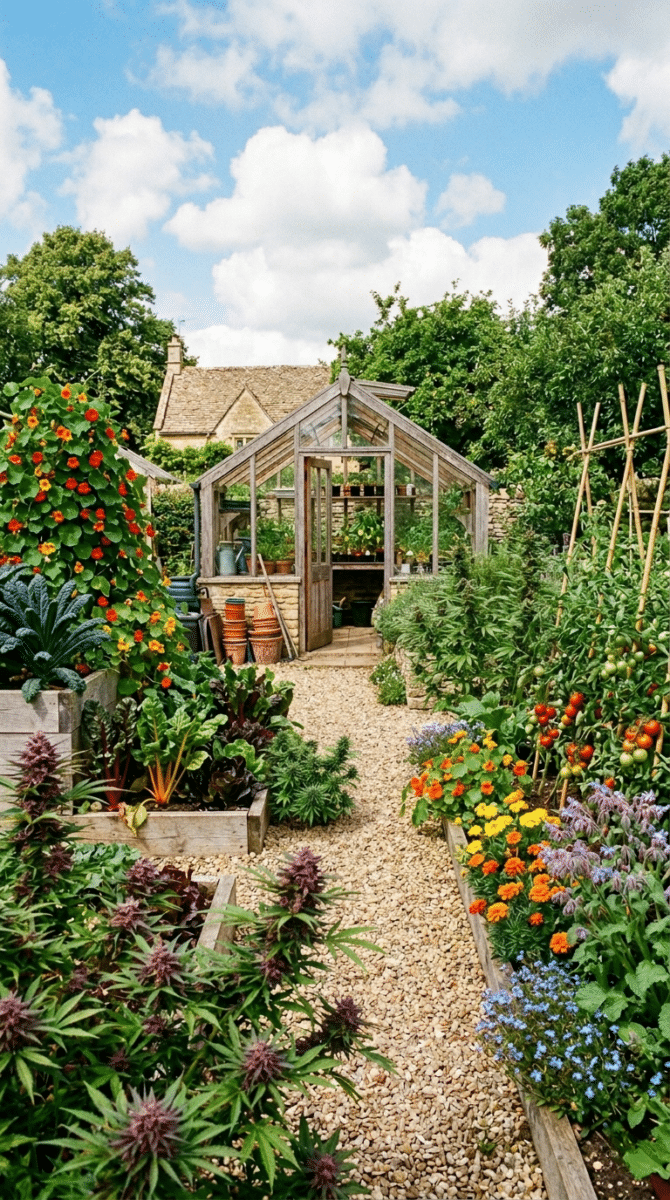
A greenhouse is a strong option in Michigan. It extends the season meaningfully on both ends, which matters in a state where the outdoor window is tighter than in warmer states, and it satisfies the visibility and security requirements if properly enclosed.
Check our USDA Zone Map to find your specific Michigan growing zone.
Local Ordinances
Michigan municipalities can opt out of allowing commercial cannabis businesses within their borders, and they may impose local rules on home cultivation. It’s worth checking with your city or township to understand any additional requirements that may apply in your area, particularly around zoning or security.
Penalties for Going Over the Limit
Growing between twelve and twenty-four plants is a civil infraction subject to fines. Growing more than twenty-four plants, or growing with visible plants or improper storage, can result in additional civil or criminal penalties depending on the circumstances.
Ready to Start Growing?
Michigan’s twelve-plant limit gives home growers more room than most states. Whether you’re planning a small indoor setup or a full backyard garden, the genetics you start with matter. Browse our strain catalog to find varieties suited to your climate and setup, use the USDA Zone Map to understand your outdoor growing window, and visit our grow guide when you’re ready to get started.
Browse Our Strain Catalog | How to Grow Guide | USDA Zone Map
Ready to start your grow? Browse our Michigan cannabis seeds to find feminized and autoflower varieties that ship to your door.
Frequently Asked Questions
How many cannabis plants can I grow in Michigan?
Twelve plants per household. This is a household limit, not a per-person limit. Multiple adults living together share a single twelve-plant maximum regardless of how many people live there.
Does Michigan distinguish between mature and immature plants?
No. Unlike New York, Michigan’s twelve-plant limit applies to all plants regardless of their growth stage. A seedling and a flowering plant both count equally toward your twelve-plant limit.
Can I grow cannabis outside in Michigan?
Yes, as long as plants are in a secured, enclosed area and are not visible from any public space. A fenced backyard, locked outbuilding, or enclosed greenhouse all work if those conditions are met.
Do I need a permit or medical card to grow at home in Michigan?
No permit or medical card is required for recreational home cultivation. Any adult 21 or older can grow up to twelve plants at home under the MRTMA.
Can my landlord stop me from growing?
Yes. Landlords in Michigan can prohibit cannabis cultivation in rental agreements. Municipalities may also impose their own restrictions. Check your lease and local rules before you grow.
What are the penalties for growing more than twelve plants?
Growing between twelve and twenty-four plants is a civil infraction subject to fines. Growing beyond twenty-four plants or maintaining plants that are visible from public view can carry more significant civil or criminal penalties depending on the circumstances.
Is Michigan a good state for outdoor cannabis growing?
Yes, with the right strain selection and timing. Most of Michigan falls in USDA zones 5 to 6b, with a growing window roughly from late May to early October. Autoflower varieties that finish in eight to ten weeks are well suited to Michigan’s outdoor season. The southwestern Lower Peninsula near Lake Michigan has some of the most favorable outdoor conditions in the state.
Where can I buy cannabis seeds in Michigan?
Triangle Seeds ships feminized cannabis seeds to Michigan and all 50 states. Check out our cannabis seeds that ship to Michigan. Browse our seed catalog to find the right genetics for your grow.
Sources: