
A Guide to Missouri Home Grow Laws
Last updated: March 2026
Missouri home grow laws allow adults 21 and older to cultivate up to 18 cannabis plants at home – but only after obtaining a consumer personal cultivation card from the state, which requires an annual application and fee.
Disclaimer: Cannabis laws change. This post reflects our best understanding of Missouri law as of early 2026. Always verify current rules with the Missouri Division of Cannabis Regulation before making any decisions.
Table of Contents
- The Short Version
- Who Can Grow
- How to Get a Cultivation Card
- How Many Plants
- Where You Can Grow
- Security Requirements
- Plant Tagging Requirements
- Two Cardholders at the Same Address
- Renters and Landlords
- Outdoor Growing in Missouri
- Penalties for Going Over the Limit
- Ready to Start Growing?
- Frequently Asked Questions
The Short Version
| Rule | Details |
|---|---|
| Legal? | Yes, since December 8, 2022 |
| Who can grow | Adults 21+ with a consumer personal cultivation card |
| Card required? | Yes – must apply through DHSS |
| Annual card fee | $100 |
| Plant limit per cardholder | 6 flowering + 6 non-flowering + 6 clones = 18 plants |
| Household maximum | 12 flowering plants (2 cardholders max per residence) |
| Visibility | Not visible by unaided eye from a public place |
| Security | Enclosed, locked space required |
| Plant tagging | Required – name and license number on each plant |
| Authority | Missouri Constitution, Article XIV, § 2; DHSS Division of Cannabis Regulation |
Who Can Grow
Adults 21 and older may grow cannabis at home in Missouri, but cultivation is not automatically permitted just because recreational use is legal. You must first apply for and receive a consumer personal cultivation identification card from the Missouri Department of Health and Senior Services (DHSS). Growing without an approved card is not authorized under Amendment 3.
Medical cannabis patients 18 and older who hold a patient cultivation card are also permitted to grow under the same plant limits.
Missouri voters approved Amendment 3 on November 8, 2022, legalizing adult-use cannabis effective December 8, 2022. Home cultivation applications through DHSS became available in February 2023.
How to Get a Cultivation Card
Consumer personal cultivation cards are issued by the DHSS Division of Cannabis Regulation. The annual fee is $100, adjusted periodically based on the Consumer Price Index. Cards are valid for one year and must be renewed annually.
The application requires you to:
- Be at least 21 years of age
- Confirm cultivation will take place at a private residence
- Confirm the grow space is enclosed, locked, and not visible from outside by the unaided eye
- Agree to make the cultivation space available for inspection upon request
- Agree that each plant will be labeled with your name and license number
- Notify the department within 10 days of any changes to your cultivation information
Apply through the DHSS online portal at health.mo.gov.
How Many Plants
Each cultivation cardholder is permitted to grow up to 18 plants total, broken down by growth stage:
- 6 flowering plants
- 6 non-flowering plants (over 14 inches tall)
- 6 clones (under 14 inches tall)
All three categories count separately, so you can have all 18 plants in progress at once across different stages of growth. The three-tier structure is designed to allow a continuous cultivation cycle: clones rooting, vegetative plants growing, and flowering plants finishing simultaneously.
The 6-plant flowering cap per cardholder is the binding limit. Exceeding it – even with the other two tiers within range – is a violation.
Where You Can Grow
Cultivation must take place at a private residence. The grow space must be fully enclosed, stationary, and locked. Plants cannot be visible from a public place by the unaided eye – meaning no optical aids like binoculars should be needed for someone to see them from outside.
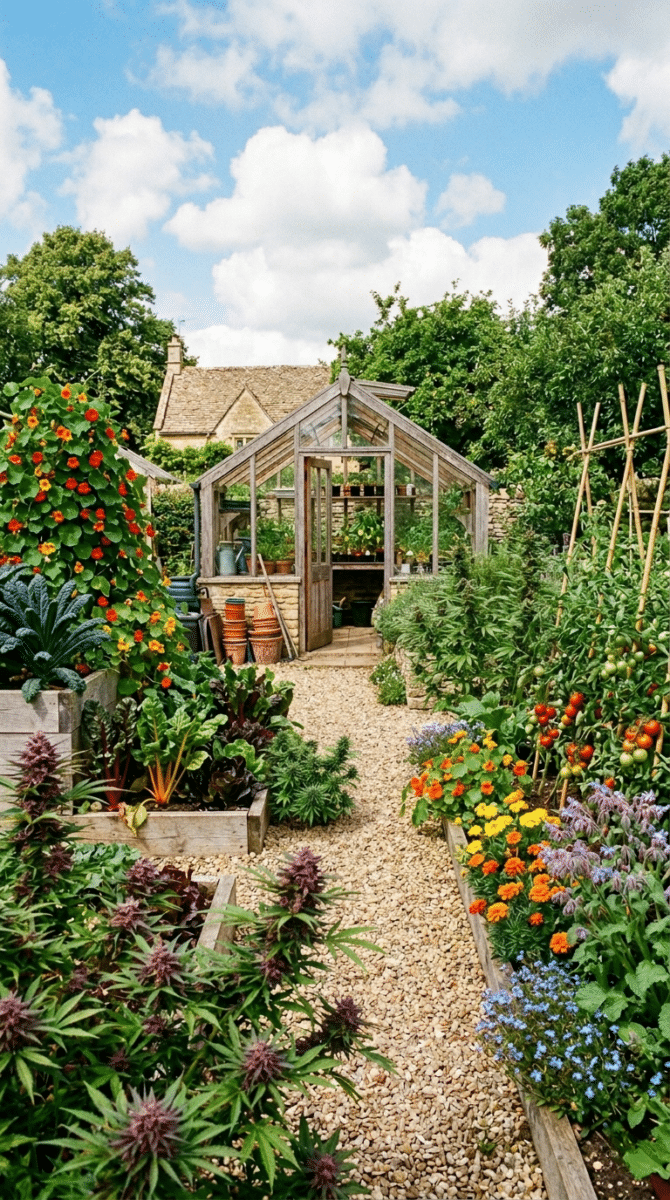
Both indoor and outdoor cultivation are permitted, provided the outdoor space meets the enclosed, locked, and not-visible standard. A locked greenhouse or a fully enclosed locked structure in a yard satisfies the outdoor requirement. An open garden – even behind a privacy fence – generally does not.
Any marijuana produced beyond the 3-ounce possession limit must also be kept at the private residence in a locked space.
Security Requirements
The grow space must be:
- Fully enclosed
- Stationary (not a portable structure that can be moved)
- Locked, with access restricted to the authorized cardholder
- Not visible from outside the cultivation space by the unaided eye
The DHSS application form specifically requires you to attest to all of these conditions. A lockable grow tent in a locked room, a locked greenhouse, or a locked shed with no exterior windows all meet the standard.
Plant Tagging Requirements
Each plant must be clearly labeled with the licensed consumer’s name and license number. This is a requirement on the DHSS application and is how authorities confirm you are growing legally. Keep a copy of your cultivation card with your grow documentation.
Missouri does not require detailed cultivation records beyond what is on the card and the plant tags, but maintaining your own notes on planting dates and plant counts is good practice if questions ever arise.
Two Cardholders at the Same Address
When two adults at the same residence each hold a valid cultivation card, the household plant counts effectively double: up to 12 flowering plants, 12 non-flowering plants, and 12 clones – 36 plants total. However, the constitutional language caps the number of flowering plants at any one residence at no more than twice the per-cardholder allowance, which is 12 flowering plants.
Both adults must each individually hold valid cultivation cards. The doubled counts do not apply if only one person at the address is a licensed cultivator.
Renters and Landlords
Missouri’s Amendment 3 includes specific language about leases. Property owners may prohibit or limit cultivation on property they own, lease, occupy, or manage. However, leases signed after December 8, 2022 may not prohibit a tenant from lawfully possessing and consuming cannabis – though this protection does not clearly extend to cultivation.
In practice: if your lease was signed after December 8, 2022 and explicitly prohibits cannabis cultivation, that clause may be challengeable – but the safer approach is to get explicit written permission from your landlord before setting up a grow.
Outdoor Growing in Missouri
Missouri spans USDA hardiness zones 5 through 7, with most of the state in zones 5b to 6b. The outdoor season runs roughly from late April or May through October in the central and southern parts of the state, with shorter windows in the north. Summer temperatures in Missouri can be intense, with July highs frequently reaching into the 90s and high humidity across much of the state.
Outdoor cannabis does well in Missouri’s climate through most of the summer. The main challenges are heat stress during peak summer, humidity-driven mold pressure in August and September, and occasional early fall frosts in the north. Strains with good mold resistance are worth prioritizing for outdoor grows. Autoflowering varieties that finish before the late-summer humidity peaks are also a practical choice.
The enclosed, locked outdoor grow requirement means an open backyard garden is not in compliance. A locked greenhouse or a fully enclosed locked structure is needed for outdoor cultivation.
Penalties for Going Over the Limit
Growing plants that are not in a locked area or are visible from a public space can result in confiscation of the plants and a civil fine of up to $250.
Growing more than the allowed number of plants without a license – or growing beyond your card limits – carries escalating penalties depending on how far over the limit you are. Unlicensed cultivation can result in misdemeanor or felony charges depending on plant count and evidence of intent to distribute.
Growing without any card at all is treated as unlicensed cultivation and falls under Missouri’s broader criminal cannabis statutes.
Ready to Start Growing?
Missouri’s three-tier plant structure – 6 flowering, 6 non-flowering, 6 clones – is one of the more practical frameworks among legal states for maintaining a continuous harvest cycle. With all three tiers running simultaneously, a single cardholder can keep a consistent personal supply without long gaps between harvests. The $100 annual card fee is the main barrier to entry, but for serious home growers it is a reasonable cost.
Browse Our Strain Catalog | How to Grow Guide | USDA Zone Map
Ready to start your grow? Browse our Missouri cannabis seeds to find feminized and autoflower varieties that ship to your door.
Frequently Asked Questions
Is home growing legal in Missouri?
Yes, but it requires a consumer personal cultivation card from the Missouri DHSS. Growing without an approved card is not permitted under Amendment 3, even for adults 21 and older.
How many plants can I grow at home in Missouri?
Each cultivation cardholder may grow up to 6 flowering plants, 6 non-flowering plants over 14 inches tall, and 6 clones under 14 inches tall – 18 plants total per cardholder.
Do I need a license or card to grow cannabis at home in Missouri?
Yes. Unlike most other legal states, Missouri requires adults to apply for and receive a consumer personal cultivation identification card from the DHSS before growing. The annual fee is $100.
Can two adults at the same address both grow cannabis in Missouri?
Yes, if both hold valid cultivation cards. With two cardholders at the same address, the household can have up to 12 flowering plants, 12 non-flowering plants, and 12 clones. The constitutional cap is 12 flowering plants per residence.
Can I grow cannabis outdoors in Missouri?
Yes, but outdoor grows must meet the same enclosed, locked, and not-publicly-visible requirements as indoor grows. An open backyard garden does not meet the standard. A locked greenhouse or enclosed locked structure is required.
Do I need to tag my plants in Missouri?
Yes. Each plant must be clearly labeled with your name and cultivation license number.
What happens if I grow without a card in Missouri?
Growing without a valid cultivation card is unlicensed cultivation and can result in criminal charges. Penalties scale with plant count and may include misdemeanor or felony charges depending on circumstances.
Can my landlord prohibit home growing in Missouri?
Yes. Property owners retain the right to prohibit cultivation on property they own or manage. Review your lease and get written permission before starting a grow in a rental property.
Where can I buy cannabis seeds in Missouri?
Triangle Seeds ships feminized cannabis seeds to Missouri and all 50 states. Check out our cannabis seeds that ship to Missouri. Browse our seed catalog to find the right genetics for your grow.
About the Author

Matt, Co-Founder, Triangle Seeds – Matt has been growing plants commercially since 2013, starting with Endless Sun Farms before co-founding Triangle Seeds in 2017 alongside childhood friend Chase. Over more than a decade, Triangle Seeds has produced and sold over a million seeds to home growers, homesteaders, and hemp farmers across the United States. Matt and Chase manage seed selection personally, only carrying genetics we truly stand behind. Learn more about Triangle Seeds.