
Author: Matt Spitzer | Updated September 2026
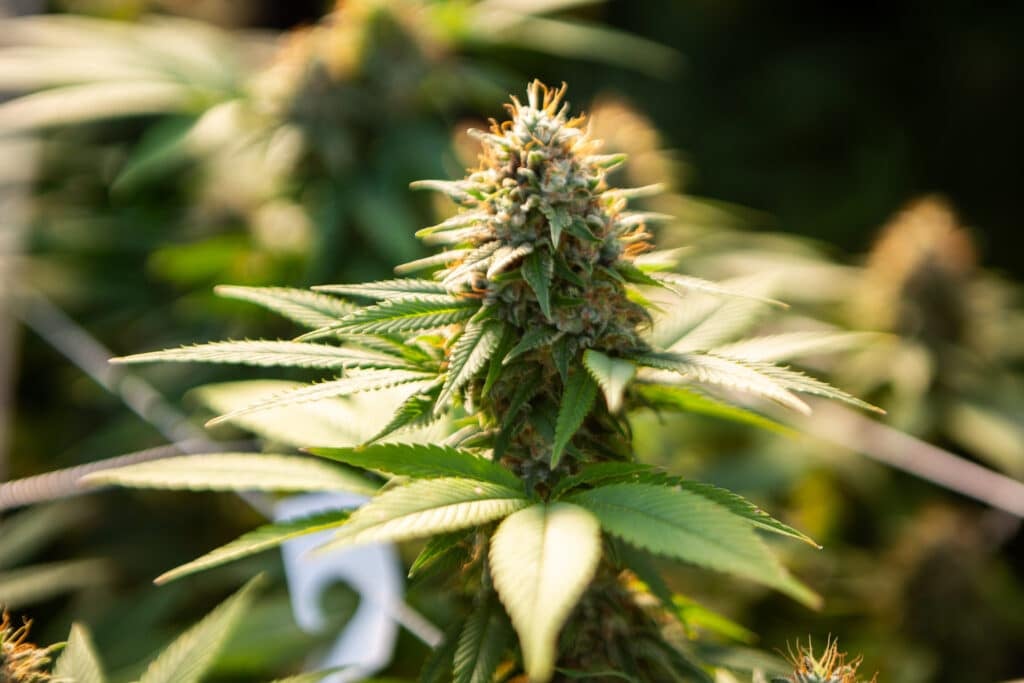
Short answer: THCa weed is regular weed. It looks the same, smells the same, and once you light it up it produces the same effects as dispensary cannabis, or as cannabis grown at home from seed. The only thing different is the label, and the legal loophole that makes it possible to sell it outside of regulated dispensaries.
If you’ve seen THCa flower, vape pens, or edibles at a smoke shop, gas station, or online, here’s what you actually need to know. And if you’d rather skip the confusion and grow your own, here’s where to find cannabis seeds that ship to all fifty states.
Quick Answer
| Question | Answer |
|---|---|
| Is THCa weed the same as regular weed? | Yes, for practical purposes |
| Does THCa get you high? | Yes, when heated (smoked, vaped, cooked) |
| Is it legal? | Federally legal under current hemp rules, state law varies |
| Is it as safe as dispensary cannabis? | Not necessarily (testing standards are inconsistent) |
| Should you buy it? | Depends on where you are and who you’re buying from |
Here to grow rather than buy? Our Type 1 and Type 2 seeds are the same genetics behind high-THCa flower. Jump to that, or keep reading for the full picture.
What Is THCa?
THCa stands for tetrahydrocannabinolic acid. It is the natural form of THC as it exists in a living cannabis plant. When the plant grows, it produces THCa, not THC. THC only appears when THCa is exposed to heat, a process called decarboxylation.
In its raw, unheated form, THCa is not psychoactive. Eating a raw cannabis bud will not get you high. But the moment you apply heat, by smoking it, vaping it, or cooking it into edibles, the THCa converts to THC and produces the same effects as any other cannabis product.
This matters because of how it’s classified legally, which we’ll get to in a moment, the same legal logic that determines home grow laws in your state.
What Is the Difference Between THCa and THC?
One molecule. THCa has an extra carboxyl group attached to its structure that THC does not. That extra group is what prevents THCa from binding to the brain’s cannabinoid receptors in its raw form. Remove it with heat, and you have THC.
The practical difference for a consumer buying flower:
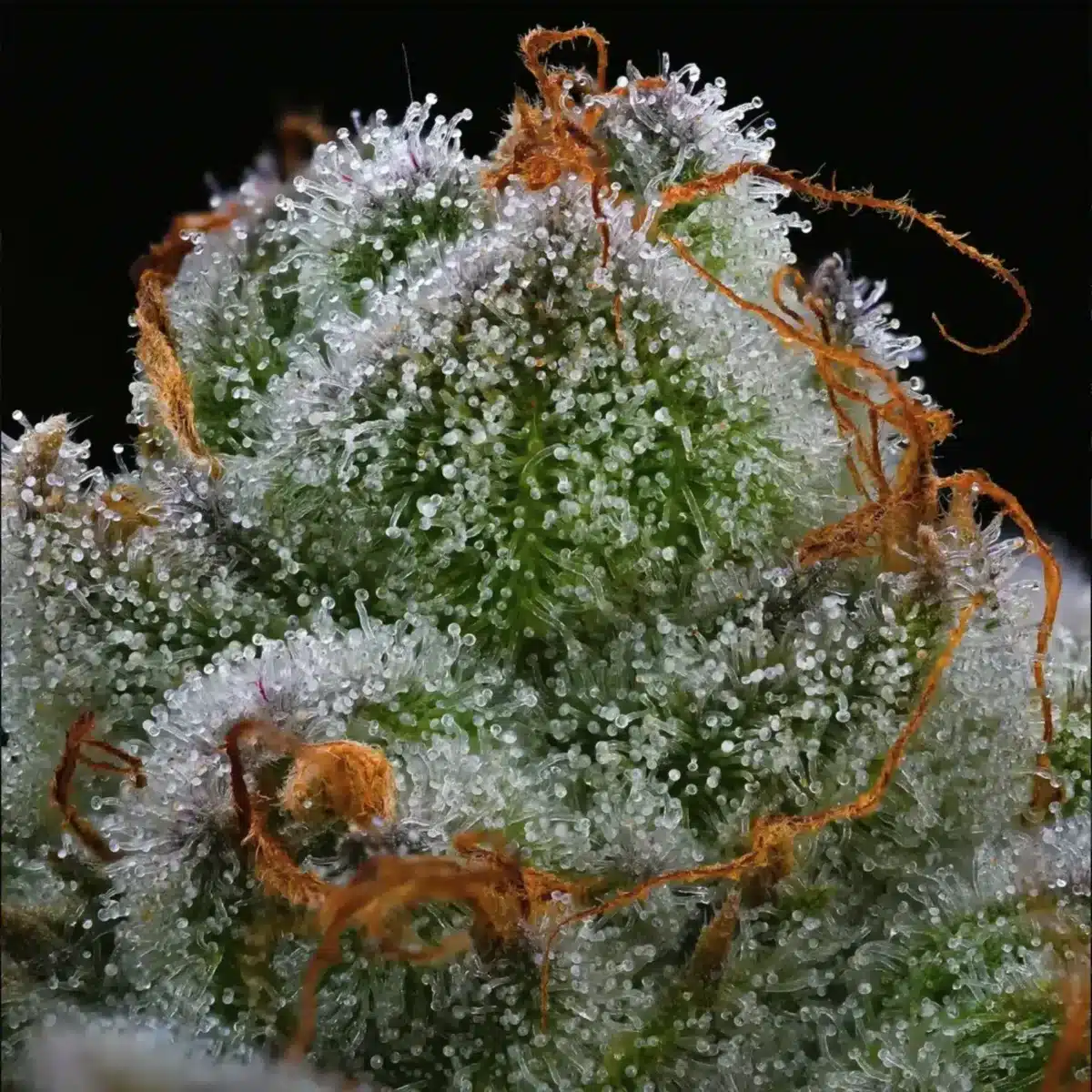
None. The vast majority of cannabis sold in legal dispensaries is high-THCa flower. When a dispensary label says 25% THC, it’s almost always measuring THCa content before decarboxylation. The flower itself contains predominantly THCa, which converts to THC when you smoke or vape it. It’s the same plant you’d grow at home from feminized cannabis seeds.
THCa flower sold at a smoke shop and flower sold at a licensed dispensary are, in most cases, the same plant. The difference is in the rules under which they were grown, tested, and sold.
Why Is THCa Weed Sold Outside of Dispensaries?
This is where the legal loophole comes in.
The 2018 Farm Bill defined hemp as cannabis containing less than 0.3% Delta-9 THC. That specific wording, “Delta-9 THC,” is the key. Because THCa is technically a different compound from Delta-9 THC, it was not counted toward that 0.3% limit in the original legislation.
What that means in practice: a grower can legally produce and sell cannabis flower with high THCa content as long as the Delta-9 THC level stays under 0.3%. Even though that flower becomes functionally equivalent to dispensary cannabis the moment you apply heat.
The result is a product that falls under hemp regulations rather than cannabis regulations, which means it can be sold in states where cannabis is not yet legal, shipped across state lines, and sold in gas stations and smoke shops without the licensing requirements that govern dispensaries.
There is an important caveat here. The legal line is fine. Most THCa hemp flower currently on the market would likely test over the legal limit if law enforcement applied the total THC standard (which accounts for the THCa that would convert to THC upon heating). As of now, federal enforcement has largely not moved on this. That could change.
Is THCa Weed Safe to Buy?
This is the more important question, and the honest answer is: it depends on who you’re buying from.
Licensed dispensary cannabis is rigorously tested for cannabinoid levels, pesticides, heavy metals, mold, and mycotoxins before it reaches a shelf. Those testing requirements exist because regulators mandate them.
THCa hemp sold through gas stations, smoke shops, and online retailers operates under far looser standards. Some sellers test their products thoroughly and publish transparent lab results. Many do not. The range of quality is wide, and without verified testing you have no way to know what you’re actually consuming.
This is the same risk that existed in the unregulated market before legalization. It is not a reason to avoid THCa products entirely, but it is a reason to be selective about where you buy and to look for brands that provide verifiable third-party lab results.
If you don’t know the grower personally and you’re not growing for yourself, knowing your product has been tested matters.
There is, of course, one way to sidestep the question entirely: grow it yourself. When you start from seed, you control the whole process. No mystery inputs, no wondering whether a smoke-shop label is accurate, no untested product. It’s the one supply chain you fully own from start to finish.
Want to know exactly what you’re smoking?
The only way to be certain what’s in your cannabis is to grow it yourself. Start from seed and there’s no mystery pesticides, no guesswork about testing, no trusting a gas-station label, just a plant you know from the ground up. Our seeds ship to all fifty states.
Shop Cannabis Seeds Not sure what to grow? Try the Strain Selection Guide, or start with Indica vs Sativa to see what fits your space.What Do We Think About All This?
Honestly, we think it’s a net positive, with some real caveats.
Through a combination of legal language and a bit of luck, cannabis that would otherwise require a dispensary license became accessible to people in states where cannabis is still illegal. That has meaningfully helped growers and consumers in states without legal programs, and it has brought more cannabis commerce into the open, which makes purchasing safer for both sides of the transaction.
At the same time, the lack of consistent safety standards is a real problem. There are bad actors in this space who are not testing products and do not prioritize consumer health. Sensible regulations requiring testing and accurate labeling would fix this without eliminating access.
Where we land: federal legalization with uniform safety standards is the right outcome. Every adult should be able to grow cannabis at home the same as any other plant, and every product sold commercially should be tested and labeled accurately. The THCa loophole is an imperfect but real step in that direction.
Do We Sell THCa Seeds?
Yes. Our Type 1 and Type 2 seeds are the same genetics that produce high-THCa or high-THC cannabis. The seeds themselves contain no THC and are thus classified as a legal hemp product under federal law. Not into THC? We also carry CBD-dominant and CBG-dominant genetics.
What we cannot guarantee is that you can legally grow these plants in your state. Laws vary significantly. Some states allow home cultivation, others do not. Check our state home grow laws for a state-by-state breakdown of what’s currently legal where you live, or browse our seed catalog if you’re in a state where home growing is permitted.
Cannabis seeds are legal to purchase and ship under federal law regardless of your state. Growing them is where state law applies.
FAQ
Does THCa flower get you high? Yes, when heated. Smoking, vaping, or cooking THCa flower converts it to THC through a process called decarboxylation. The effects are the same as any other cannabis flower. Consuming it raw, without heating, does not produce psychoactive effects.
Is THCa the same as THC? Chemically, no. THCa has an extra molecular group that THC does not, which is why THCa is not psychoactive in its raw form. Practically, for anyone consuming it by smoking or vaping, the end result is the same. THCa becomes THC the moment heat is applied.
Is THCa weed legal? At the federal level, THCa hemp flower is currently legal under the 2018 Farm Bill as long as Delta-9 THC content stays under 0.3%. State law varies. Some states have explicitly moved to restrict THCa products. If you’re unsure about your state, check our state home grow laws for state-specific information.
Is THCa weed the same quality as dispensary cannabis? Not necessarily. The plants can be identical in genetics and quality, but the testing and oversight requirements are different. Dispensary cannabis must pass mandatory testing. THCa hemp sold outside dispensaries has no uniform testing requirement. Quality varies widely depending on the brand and seller.
Will THCa show up on a drug test? Yes. THCa converts to THC when metabolized and will produce the same metabolites that standard drug tests screen for. Do not assume that a product labeled “hemp” or “THCa” will produce a negative drug test result.
Can I grow THCa cannabis at home? That depends on your state. The seeds are federally legal. Growing the plants is governed by state law, and rules vary widely. Check our state home grow laws to find out what’s permitted where you live.
About the Author

Matt, Co-Founder of Triangle Seeds – Matt has been growing plants commercially since 2013, starting with Endless Sun Farms before co-founding Triangle Seeds in 2017 alongside childhood friend Chase. Over more than a decade, Triangle Seeds has produced and sold over a million seeds to home growers and commercial growers.
We have a video series with cannabis content creator Catherine Goldberg, aka Senior Savvy Cannabis, where we guide her through her first indoor grow. If you are a new grower, you might find the videos helpful. Watch the grow videos →