
Last Updated: April 13th, 2026
The best cannabis strain for you is not on any top ten list. It is not the one with the highest THC percentage. It is not even the one your friend swears by. It is the one you grew yourself, in your own space, that gave you the intended effect you were looking for in that moment. The only way to find it is to keep growing new strains until you do.
Key Takeaway: Grow more strains and grow at least one new strain every time you plant a new round.
Table of Contents
- Why No Label Can Tell You What You’ll Love
- The Only Way to Actually Find Out
- How to Do It With a Small Plant Count
- What to Look For and Write Down
- Where to Find Diverse Genetics
- FAQ
Why No Label Can Tell You What You’ll Love
There is a lot of noise in the cannabis world. Strain names, THC percentages, sativa versus indica. It can feel like you need a degree just to buy seeds.
You don’t. And most of that stuff matters less than you think.
Strain names are a starting point, not a promise.
The same strain grown by two different people in two different environments can produce noticeably different results. Nutrients, watering, temperature, and stress during the grow all shape what the plant actually produces. The plant’s genetics set the range of what a plant can express. The environment determines what actually gets expressed. It is why two jars of the same named strain can smell, taste, and feel completely different.
THC percentage is a marketing number more than a quality or strength signal.
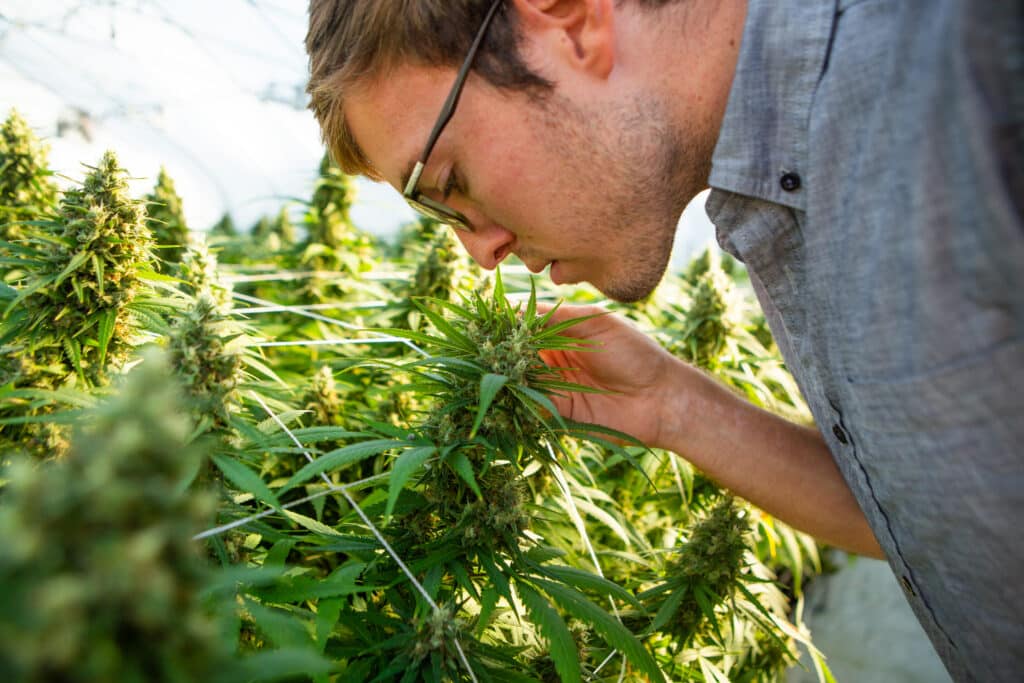
The cannabis plant produces hundreds of compounds including cannabinoids, terpenes, and flavonoids. All of them together shape the effect you feel. People who work closely with cannabis consistently report that the flower they liked most was not always the highest testing. Smell and terpene profile predict effect far better than a single potency number.
Sativa, indica, and hybrid labels are useful but unreliable.
Two people can consume the same flower and feel different things. Your own body chemistry, your mood, and your environment all play a role. Your mindset going in and the setting around you shape the experience as much as the plant does. Some strains work better for appetite, some for sleep, some for stress relief, some for watching a movie and turning your brain off. But which ones do which for you is something only you can figure out.
No label or number can tell you in advance what is going to work for your specific biology, in your specific space, for the things you actually use cannabis for.
The Only Way to Actually Find Out
The growers who consistently produce flower they love are not the ones who found the perfect strain name or chased the highest THC number. They are the ones who tried a lot of different varieties, paid attention after each harvest, and kept growing.
It is a simple process. Grow a strain. Harvest it. Evaluate it honestly. Did you enjoy it? What was it good for? What did it feel like? Then next grow, try something different. Over time, across multiple grows and multiple strains, you build a real picture of what works for you.
That knowledge is genuinely valuable. It is yours and nobody can sell it to you. You have to grow your way to it.
How to Do It With a Small Plant Count
Most states that allow home growing have plant count limits, often between two and six plants. That is not a barrier to this process. It just means your library builds over time rather than all at once.
Think of it this way. If you run two to four plants per grow and try at least one new strain each cycle, after a few years you will have grown dozens of varieties. You will know which ones worked for sleep, which ones you reached for on a stressful day, which ones were better for a quiet evening. That is more useful knowledge than anything a dispensary menu can give you.

You do not need a large space or a high plant count. You just need to keep going and pay attention.
What to Look For and Write Down
You do not need a complicated system. A notes app on your phone or a simple notebook works fine. After each harvest, write down:
- The strain name and where you bought the seeds
- How the grow went overall
- What the smell and appearance were like at harvest
- How you felt using it and what you were doing
- Whether you would grow it again
That’s enough. Over several grows those notes become a personal reference that is specific to you, your space, and your preferences. No review site or seed catalog can replicate that.
Where to Find Diverse Genetics
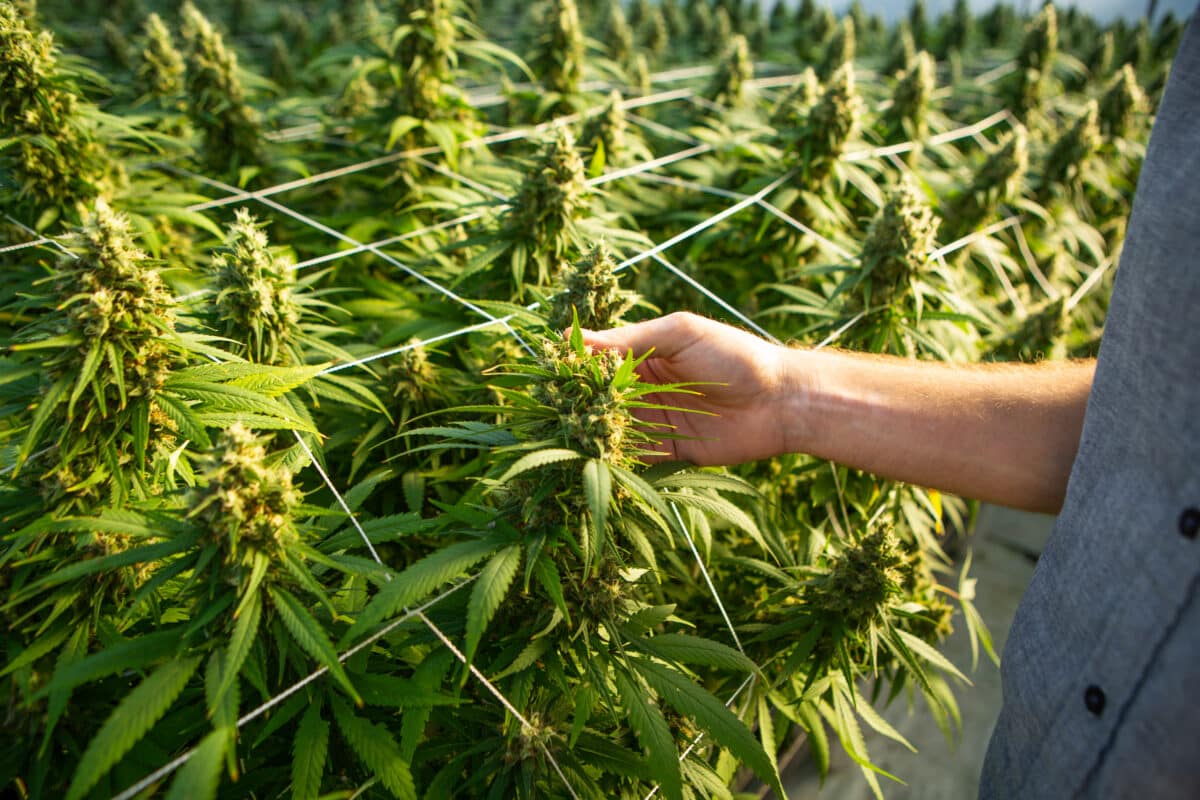
The process only works if you are actually trying new varieties. Rotating through the same two or three strains every grow will not get you there.
Triangle Seeds carries feminized cannabis seeds selected for genetic diversity and consistent germination. Every order is a chance to add something new to your rotation. You can browse our full selection at the Triangle Seeds seed shop.
Not sure what your state allows? Check our cannabis home grow laws by state page for the rules where you live.
FAQ
Does strain name matter when buying cannabis seeds? It gives you a general idea of genetics but is not a guarantee of results. Growing conditions have a significant impact on what any plant produces. Use strain names as a starting point, not a final answer.
Why doesn’t THC percentage predict effect? Because THC is one compound in a plant that produces hundreds. Terpenes and other chemicals all contribute to the experience. Smell and overall chemical profile are more reliable indicators than a single potency number.
How many strains do I need to try before I find one I love? There is no set number. Most growers find a few favorites within the first five to ten varieties they grow seriously. The key is trying something new each grow rather than repeating the same strains.
Can I find my favorite strain with a small plant count? Yes. Even with two to four plants per grow, trying one new strain each cycle means you cover a lot of ground over a few years of growing.
What is the best way to evaluate a cannabis strain after harvest? Smell, appearance, cure quality, and effect. Take simple notes after each grow. Over time those notes become a personal reference more useful than any review or rating online.
What is the difference between sativa, indica, and hybrid? Sativa, indica, and hybrid are broad categories used to describe cannabis plants and their general growth patterns and reported effects. Sativas are often associated with more energizing effects, indicas with more relaxing effects, and hybrids fall somewhere in between. These are useful as a rough guide but are not reliable predictors of how a specific plant will affect you personally.
Does set and setting affect how cannabis feels? Yes, significantly. Set refers to your mindset going in, how you are feeling mentally and emotionally. Setting is your physical environment, where you are and who you are with. The same strain can feel very different depending on both. This is one reason why personal experience across multiple grows is more useful than any outside review.
What should I look for when buying cannabis seeds? Look for feminized seeds from a reputable source with consistent germination rates. Beyond that, prioritize genetic diversity. Buying different strains across multiple orders gives you more to work with as you figure out what grows and performs best in your specific environment.
Are feminized seeds better for home growers? For most home growers, yes. Feminized seeds are bred to produce only female plants, which are the ones that produce flower. Since most states limit plant counts, feminized seeds mean every plant in your grow is working toward your harvest rather than taking up a spot with a male plant that will need to be removed.
How do I know if a cannabis strain is worth growing again? Ask yourself a few simple questions after harvest. Did it perform well in your environment? Did you enjoy the smell and the effect? Would you reach for it again over something new? If the answer to those is yes, it is worth repeating. If you are unsure, try something new next grow and come back to it later.
About the Author

Matt, Co-Founder, Triangle Hemp – Matt has been growing plants commercially since 2013, starting with Endless Sun Farms before co-founding Triangle Hemp in 2017 alongside childhood friend Chase. Over more than a decade, Triangle Hemp has produced and sold over a million seeds to home growers, homesteaders, and hemp farmers across the United States. Matt and Chase manage seed selection personally, only carrying genetics we truly stand behind. Learn more about Triangle Hemp.
We have a video series with cannabis content creator Catherine Goldberg, aka Senior Savvy Cannabis, where we guide her through her first indoor grow. If you are a new grower, you might find the videos helpful. Watch the grow videos →