Cannabis Seeds for Connecticut Growers
Not sure which variety to choose? Check out our Strain Selection Guide. Learn about our Germination Guide and Germination Guarantee here.
Feel overwhelmed? Text or call M-F, 10-6 EST. (919) 410-6945
Filter
×
Strain Type
Genetic Lineage
Flower Timing
Connecticut Cannabis Seeds: Common Questions
Yes. Connecticut legalized recreational cannabis in June 2021 through SB 1201, with home cultivation rights for adults effective July 1, 2023. Adults 21 and older may legally purchase cannabis seeds for personal cultivation without a permit or medical card. Triangle Hemp ships cannabis seeds directly to Connecticut customers.
Yes. Triangle Hemp ships cannabis seeds to Connecticut home growers. Orders are packaged discreetly and typically go out within 1-2 business days. Questions about your order? Text or call us M-F, 10-6 EST at (919) 410-6945.
Cannabis plants are either male or female. Only female plants produce the buds (flowers) you're growing for. Feminized seeds are bred to produce female plants almost exclusively, so you're not wasting space, time, or resources on males that need to be removed. All of the seeds we sell are feminized.
Photoperiod varieties flower in response to a change in light schedule. Indoors, you trigger flowering by switching to a 12-hours-on/12-hours-off schedule. They typically take longer to finish but give more control over plant size and yield.
Autoflower varieties flower automatically based on age, usually finishing 9-12 weeks from seed regardless of light schedule. Since Connecticut requires indoor-only cultivation, both types work equally well year-round. Autoflowers are popular for faster harvests and continuous cycling within your plant count. Not sure which is right for you? See our Strain Selection Guide.
CBD (cannabidiol) and CBG (cannabigerol) are non-psychoactive compounds found naturally in the cannabis plant. People commonly report CBD as calming and supportive for sleep, stress, and everyday discomfort. CBG is often described as more clarifying, associated with focus and a lighter sense of ease. Both are widely used as alternatives to pharmaceutical options for mild anxiety, inflammation, and pain.
Many growers find that blending CBD or CBG varieties with THC varieties produces a more balanced experience. Growing your own gives you direct control over what goes into your plants. Check out our Strain Selection Guide to explore our hemp varieties.
Connecticut allows three mature and three immature plants per adult, with a household cap of twelve plants total. Two adults living together can grow up to six mature and six immature plants — but the twelve-plant household cap applies regardless of how many adults live there. Connecticut tracks mature (flowering) and immature (vegetative) plants separately, so you cannot have more than three flowering at any one time per adult. No permit or plant tagging is required. Read the full Connecticut home grow law breakdown for details.
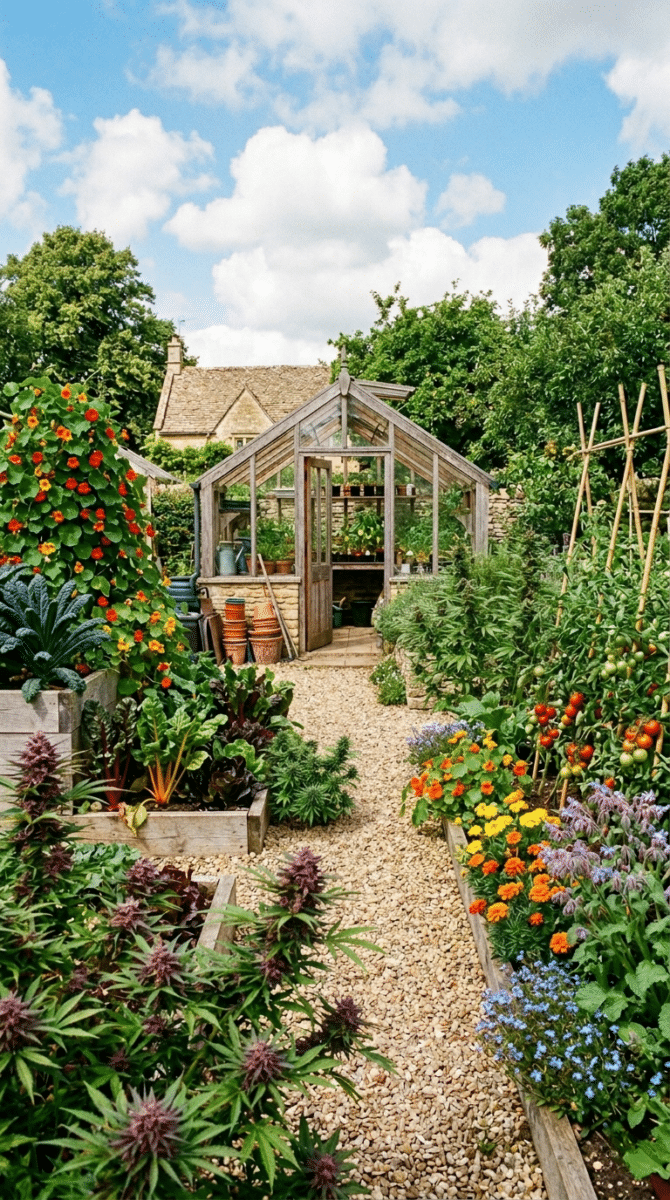
No. Connecticut prohibits outdoor cultivation entirely, and outdoor growing is a felony offense under state law. A standalone greenhouse on your property also does not qualify — all cultivation must take place inside a residential structure in a locked, enclosed space. This is one of only two legal states (along with Colorado) that bans outdoor home growing by statute. See our Connecticut home grow laws guide for the full breakdown.
No. Any adult 21 or older can grow at home without a permit or medical card as of July 1, 2023. Plants must be indoors in a locked, secured area not visible to the public and inaccessible to minors. Landlords can prohibit cultivation in lease agreements — review your lease before setting up a grow. Read the full Connecticut home grow law breakdown for complete details.
Since Connecticut requires indoor cultivation, your environment is entirely under your control year-round. With three mature plants allowed per adult, high-yielding varieties that respond well to training techniques like LST or SCROG can help maximize output. Both photoperiod and autoflower varieties work well indoors. Autoflowers are a popular choice for faster harvests and the ability to keep a continuous rotation across your mature and immature plant tiers. Browse our Strain Selection Guide for recommendations matched to your setup.
You need a locked, enclosed space inside your residence that is not visible to the public and is inaccessible to minors and pets. A locked grow tent in a locked room, or a dedicated locked room, both meet the requirement. The space must be inside the residential structure — a greenhouse or outbuilding does not qualify. See our germination guide for step-by-step starting instructions once your space is ready.