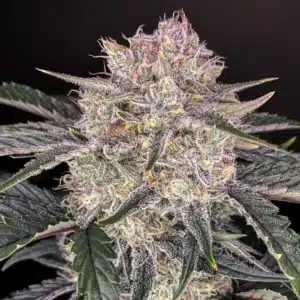
What Makes Autoflowers Different
Regular cannabis plants flower when the light changes: outdoors as days shorten in late summer, or indoors when you switch to twelve hours on and twelve off. Autoflowering cannabis plants skip all of that and start budding on their own around week four or five, no matter what the light is doing. They don't need a specific light schedule to finish, though more light generally means a bigger yield, so most growers run eighteen to twenty hours a day indoors to get the most out of the plant. Either way, most are done in nine to twelve weeks.
Four situations
Who autoflowers actually suit
Short outdoor seasons
A photoperiod plant can run out of time if your frost free window is five months or less. Start an autoflower in June and it's done by August, regardless of day length.
Multiple harvests per season
The fixed timeline is short enough that growers in longer season states often squeeze in two or three autoflower cycles instead of one long photoperiod grow.
Small spaces
They stay compact, usually two to four feet, and do well in three to five gallon containers. Tents, balconies, closets, all fine. See our pot size guide for exact sizing.
Imperfect light control
A photoperiod plant can stress or revert if its dark period gets interrupted. Autoflowers don't care about that the same way, so a stray light leak won't cost you the harvest.
The Honest Trade-Offs
Speed comes at a cost here, and it's worth knowing what you're giving up.
Smaller yields per plant. There's just less time to build structure before flowering starts. Most growers make up for it by running more plants, or more cycles, rather than chasing size on one.
No cloning. A clone from an autoflower is the same age as the mother plant and flowers almost immediately. Every autoflower run starts from seed.
The clock doesn't wait for you. If a photoperiod plant hits a nutrient problem or you need to fix a light, it can usually sit in growth an extra week or two while you sort it out. An autoflower keeps moving whether you're ready or not, so early mistakes tend to follow the plant all the way to harvest. Transplant shock is the classic one, which is why we tell people to start autoflowers straight in their final pot.
Getting Started
Germination works the same as any other seed, but skip the transplant. Start autoflowers directly in the container they'll finish in. The germination guide covers the process step by step, autoflower notes included.
Growing outdoors? The outdoor planting date tool gives you a window for your zip code, so you know how many cycles your season can actually fit. Still deciding between autoflower and photoperiod? The Strain Selection Guide can help you narrow it down.
Would rather just talk it through? Text or call us M-F, 10-6 EST at (919) 410-6945